
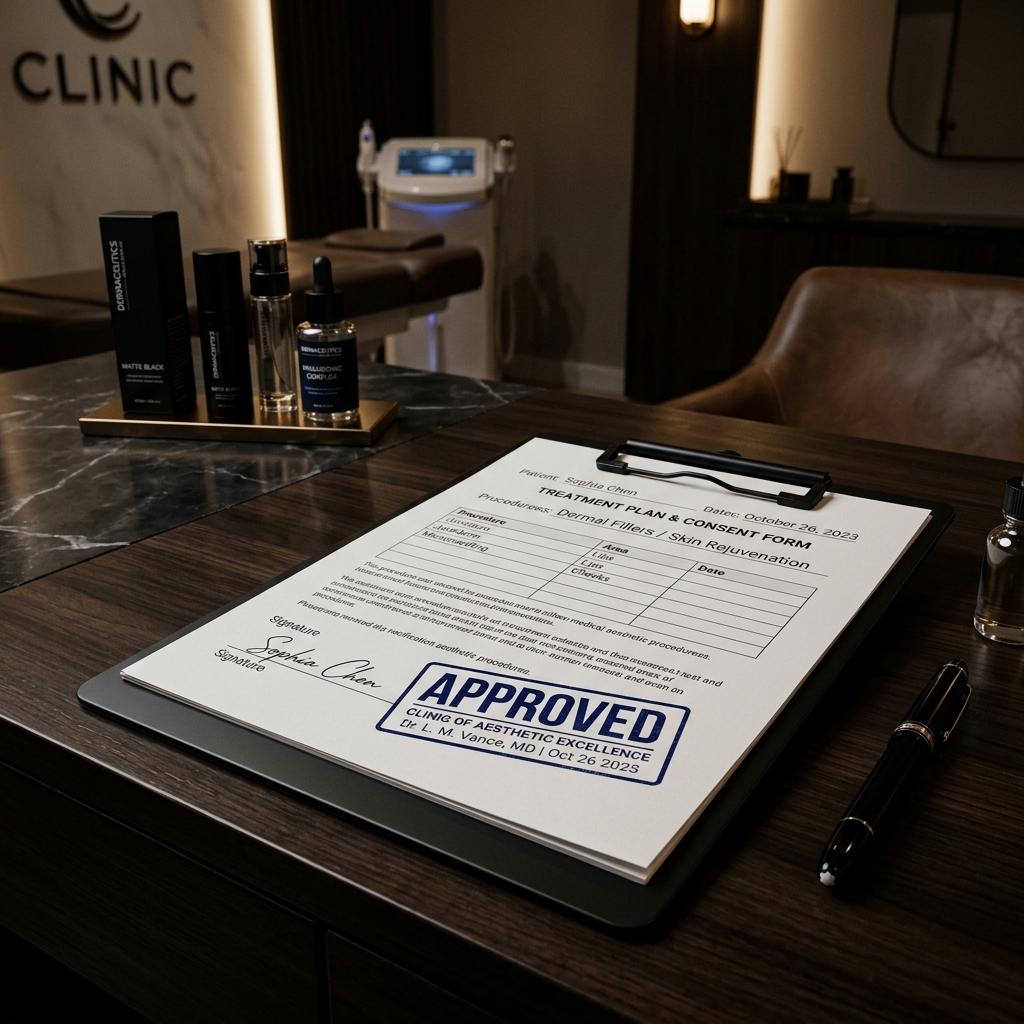
Getting a prescription for Wegovy or Zepbound from your doctor is the easy part. The real battle begins at the pharmacy counter. In 2026, an estimated 72% of initial Prior Authorization (PA) requests for GLP-1 weight loss medications are denied by commercial insurance providers.
Insurance companies deny these claims largely due to cost. However, a denial is not the end of the road. Insurers rely on patients giving up after the first rejection. By understanding the clinical criteria they use—and mounting a structured, evidence-based appeal—you can successfully overturn a PA denial.
If you prefer to bypass the insurance labyrinth entirely, you can access affordable, compounded GLP-1 medications directly without needing insurance approval.
Understanding Why You Were Denied
Before you can appeal, you must demand a formal denial letter from your insurance provider. Do not accept a verbal "no" from the pharmacist. The denial letter will state the exact reason for the rejection. Almost all denials fall into one of three categories:
1. The "Plan Exclusion" Denial
If the letter states that weight loss medications are a "plan exclusion," it means your employer specifically opted out of paying for obesity coverage to lower their premium costs. Unfortunately, you cannot appeal a strict plan exclusion. Your only options are petitioning your HR department to change the plan next year or paying out-of-pocket for compounded alternatives.
2. The "Step Therapy" Denial
This is the most common denial. "Step therapy" means the insurance company wants you to try (and fail) cheaper, older weight loss medications—such as phentermine, Qsymia, or Contrave—before they will pay for a $1,000+ GLP-1. They may also require documented proof of a 6-month supervised diet and exercise program.
3. The "Clinical Criteria Not Met" Denial
Wegovy and Zepbound are FDA-approved for patients with a BMI over 30, or a BMI over 27 with a weight-related comorbidity (like hypertension or high cholesterol). If your doctor did not provide enough medical records to prove you meet this criteria, the PA will be denied.
Skip the Insurance Hassle
Tired of fighting your insurance company? TelehealthFX offers pure, compounded semaglutide from U.S. pharmacies starting at $199/month—no insurance, prior authorizations, or step therapy required.
Get Approved TodayHow to Defeat Step Therapy Denials
If you were denied due to Step Therapy, you do not necessarily have to spend months taking phentermine. Your clinician can draft a Letter of Medical Necessity (LMN) arguing why those cheaper alternative medications are contraindicated (unsafe) for you.
Here is how to legally bypass Step Therapy requirements:
- Phentermine/Stimulant Exception: If you have a history of high blood pressure, anxiety, arrhythmias, or take an SSRI, your doctor can state that stimulant-based weight loss drugs are medically contraindicated.
- Contrave Exception: Contrave contains bupropion and naltrexone. It cannot be used by patients with a history of seizures, eating disorders, or those taking opioid pain medications.
- The "History of Failure" Exception: If you have previously tried and failed phentermine or structured commercial diets (like Noom or Weight Watchers) at any point in your life, your doctor can submit this past failure to satisfy the Step Therapy requirement immediately.
The Perfect Appeal Letter Structure
When drafting the appeal, it must be clinical, concise, and heavily documented. A good appeal letter includes:
- Patient Identification: Name, DOB, Member ID, and the specific Claim/PA number being appealed.
- The Primary Diagnosis: ICD-10 code for Obesity (E66.9) or Overweight with comorbidities.
- Comorbidity Documentation: You must attach recent lab results showing high cholesterol, prediabetes (A1C), high blood pressure logs, or sleep apnea diagnoses. Insurance companies pay for disease prevention.
- Failure of Alternatives: A bulleted list of previous diets, gym memberships, and medications that failed to produce sustained 5% weight loss.
- Clinical Guidelines: Quote the American Board of Obesity Medicine guidelines stating that GLP-1s are the standard of care for the patient's specific metabolic profile.
Continuity of Care (The "Grandfather" Clause)
If you recently switched insurance plans, and your new plan denies your Wegovy prescription, you can file a Continuity of Care appeal. You must provide pharmacy records proving you were already stabilized on the medication under your old plan, and that discontinuing it would cause a disruption in medical care resulting in metabolic relapse.
What if the Appeal Fails?
If your internal appeal is denied, you have the right to request an External Review by an independent, third-party medical board. Because third parties rely purely on clinical evidence rather than corporate cost-saving mandates, external reviews overturn insurance denials approximately 40% of the time.
If all appeals are exhausted, or if your plan has a hard exclusion, you have two remaining options:
1. Manufacturer Savings Cards: Eli Lilly and Novo Nordisk offer savings cards that can bring the cash price down to roughly $550–$650 per month, though this is still prohibitively expensive for many.
2. Compounded GLP-1s: This is why the telehealth industry has exploded. By using state-licensed compounding pharmacies, patients can access the compounded formulations of semaglutide or tirzepatide for $199 to $399 a month, entirely out-of-pocket, with no insurance required.
We Take the Fight Out of Weight Loss.
Don't let an insurance denial stop your metabolic progress. TelehealthFX provides access to affordable, prescribed GLP-1 medications directly to your door.
Start Your Journey