
Millions of men in the United States are currently taking SSRI antidepressants. Yet, for a significant percentage of these men, the medication isn't fixing the root cause of their symptoms. Why? Because the symptoms of clinical depression and the symptoms of hypogonadism (low testosterone) are almost indistinguishable to a general practitioner.
Lethargy, brain fog, loss of motivation, disrupted sleep, and a lack of interest in sex are hallmark signs of both conditions. Before accepting a lifelong prescription for antidepressants — which often carry severe sexual side effects — it is imperative to have your hormone levels checked. Programs like Telehealth FX exist precisely to uncover and treat these underlying endocrine deficits.
The Symptom Overlap
If you tell a primary care doctor you are tired, lack motivation, and feel "down," the easiest and fastest solution is to write an SSRI prescription. A blood test for hormones requires a follow-up visit. Consider the overlap:
- Fatigue: Both conditions cause profound exhaustion that isn't cured by sleep.
- Cognitive Decline: "Brain fog," poor concentration, and memory issues are prevalent in both.
- Anhedonia: A loss of interest in hobbies, career, and physical activities.
- Irritability: Men with low testosterone often exhibit "grumpy old man syndrome," an agitated, irritable form of depression.
The SSRI Dilemma for Men
If your depression is actually caused by an endocrine failure (low testosterone), an SSRI will act merely as a bandage. Worse, SSRIs are notorious for causing profound sexual dysfunction — including erectile dysfunction, delayed ejaculation, and a complete loss of libido.
This creates a vicious cycle. A man with undiagnosed low T already has a struggling libido. The doctor prescribes an SSRI. The man's libido drops to absolute zero, causing relationship strain and further deepening the depressive state. Restoring testosterone via affordable TRT tackles both the mood and the sexual function simultaneously.
Testosterone as a Neuro-Active Steroid
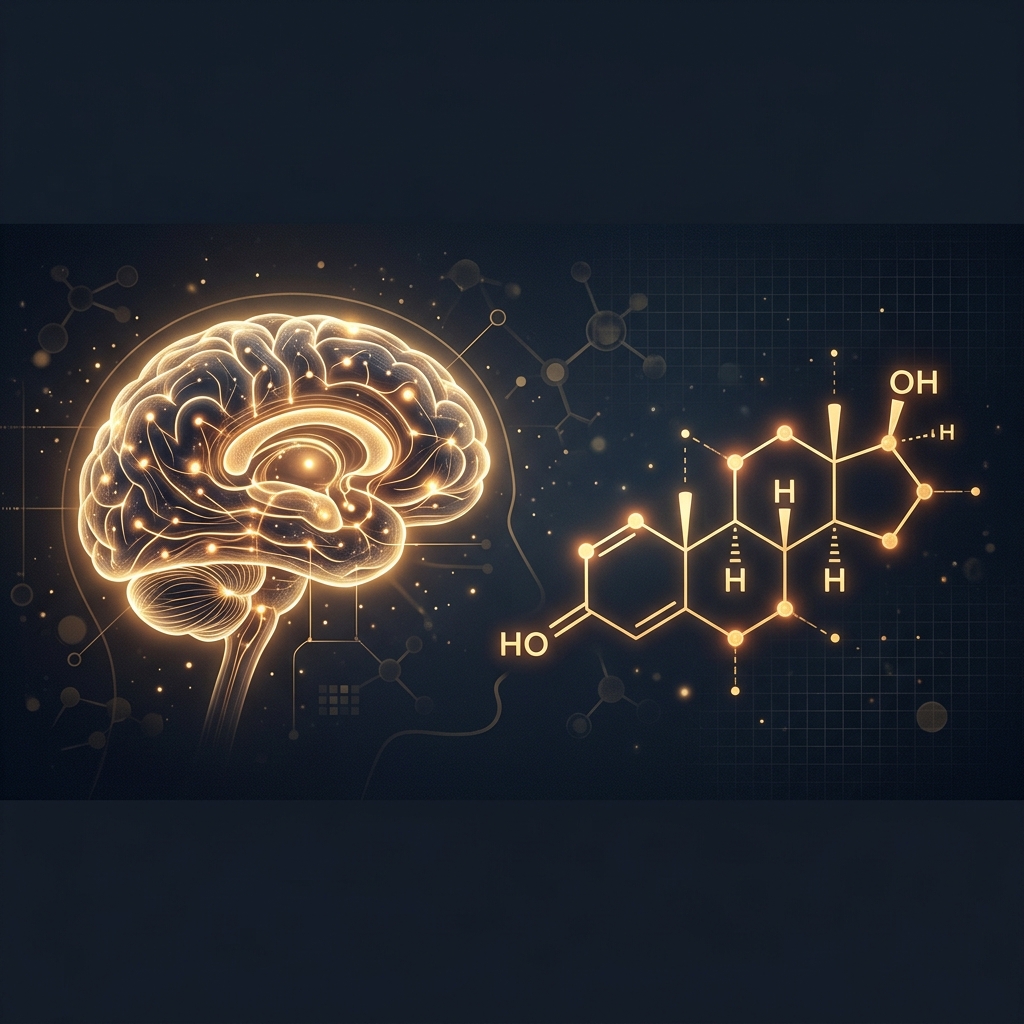
Testosterone easily crosses the blood-brain barrier. In the brain, it acts on dopamine transport and serotonin receptors. In the first few weeks of TRT, the neurological benefits (improved mood, confidence, and assertiveness) are often the very first things patients notice — long before muscle growth begins.
When Is It Actually Depression?
TRT is not a cure-all. If your blood tests show total testosterone at healthy, optimal levels (e.g., 700+ ng/dL) and your free testosterone is high, but you are still experiencing severe depressive symptoms, the issue is likely neurological or psychological, not endocrine. In those cases, psychiatric intervention is appropriate and necessary.
However, you cannot know the root cause without a comprehensive lab panel. A standard physical rarely checks free testosterone, estradiol, or SHBG.
Find the Root Cause
Stop treating the symptoms. Get comprehensive labs and a clinical evaluation starting at $79/mo.
Start Your EvaluationReferences
- Zarrouf, F. A., et al. (2009). Testosterone and depression: systematic review and meta-analysis. Journal of Psychiatric Practice. pubmed.ncbi.nlm.nih.gov