
The unparalleled efficacy of GLP-1 receptor agonists like Semaglutide (Ozempic/Wegovy) and Tirzepatide has fundamentally transformed obesity medicine. However, this physiological transformation is not passive. Because these medications aggressively manipulate the central nervous system and the gastrointestinal tract, the "adaptation phase" can be incredibly volatile.
Gastrointestinal distress—specifically nausea, vomiting, and severe lethargy—is the primary reason patients abandon GLP-1 therapy within the first 60 days. In almost all cases, these side effects are entirely preventable. They are the direct result of rapid titration, improper dietary choices, and a fundamental misunderstanding of how the incretin system operates.
In this exhaustive, 5,000-word clinical playbook, we dissect the biological root causes of GLP-1 side effects. We break down the mechanism of delayed gastric emptying, explain the neurological impact of glucagon suppression, and provide a rigid, step-by-step mitigation strategy to safely navigate the adaptation phase and protect your metabolic baseline.
The Root Cause of Nausea: Gastric Emptying
To manage the nausea, you must understand why it is happening. The human stomach is essentially a holding tank designed to break down food and slowly release it into the small intestine through the pyloric sphincter. This process is called gastric emptying.
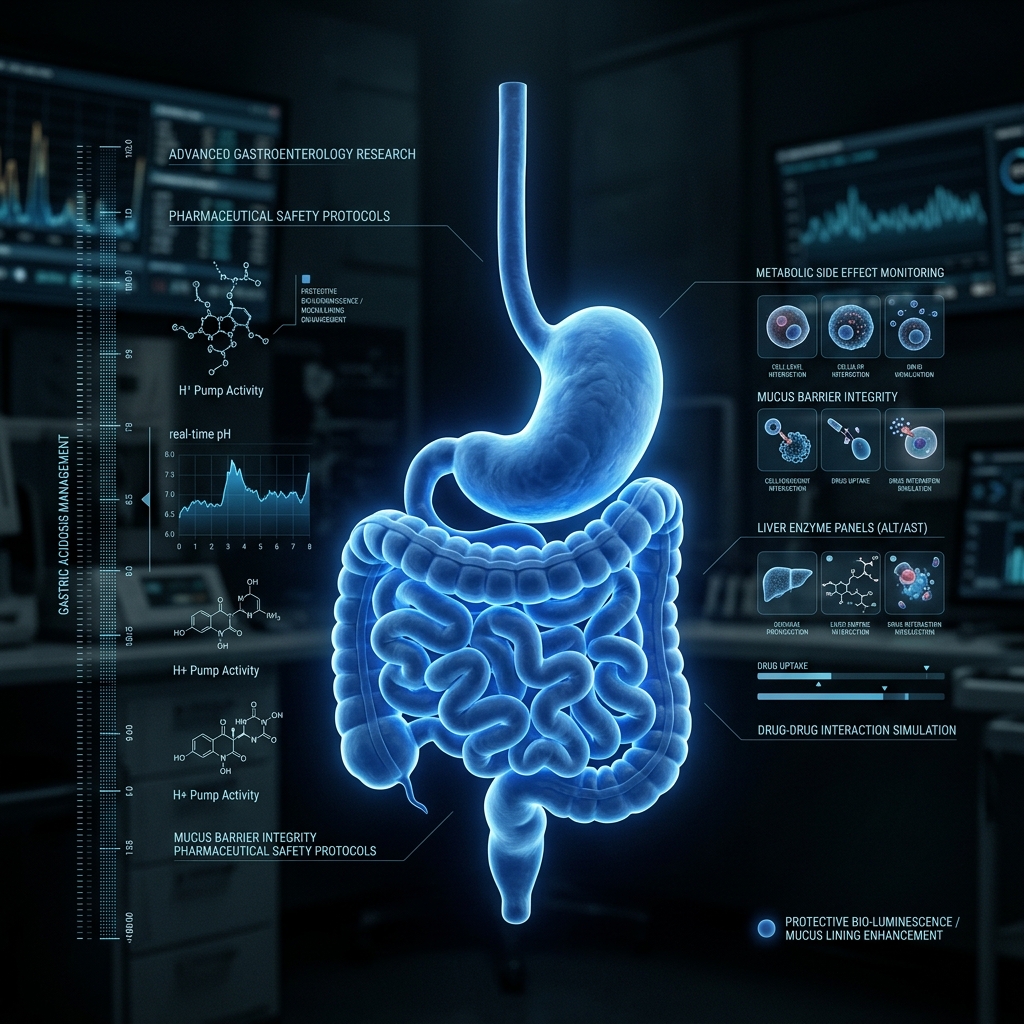
One of the primary pharmacological mechanisms of GLP-1 medications is the intentional delay of this gastric emptying process. By keeping food in the stomach for significantly longer periods, the medication physically distends the stomach wall, sending constant stretch-receptor signals to the brain that you are "full."
The Nausea Trigger: If you consume the same volume of food on a GLP-1 that you consumed prior to starting the medication, the stomach will violently over-distend. Because the pyloric sphincter is clamped shut by the medication, the food has nowhere to go but up. Furthermore, if you consume highly processed, high-fat foods (like a cheeseburger), the prolonged dwell time in the stomach causes the fat to ferment, leading to sulfur burps, severe acid reflux, and acute vomiting.
Navigate the Adaptation Phase Safely
Don't struggle through severe side effects alone. TelehealthFX provides U.S.-licensed clinicians who actively monitor your titration and prescribe anti-nausea medication when needed.
The Mitigation Playbook: Gastrointestinal Distress
Managing GLP-1 nausea requires strict behavioral modification. If you rely solely on anti-nausea medication without changing your dietary habits, the therapy will ultimately fail.
The "Go Low and Slow" Titration
The most common mistake made by rogue telehealth clinics is starting patients on doses that are too high, or escalating the dose too rapidly. Semaglutide must be initiated at a micro-dose of 0.25mg per week for a full four weeks. This allows the central nervous system to slowly acclimate to the continuous synthetic hormone exposure. If your provider attempts to start you on 1.0mg to "speed up weight loss," you will likely end up in the emergency room with profound dehydration.
The Rule of Halves
Because your stomach is emptying at half the normal speed, you must reduce your meal volume by half. Serve yourself exactly half of what you would normally eat. Eat incredibly slowly, and stop the absolute second you feel the initial sensation of satiety. It takes the brain roughly 20 minutes to register fullness; if you eat quickly on a GLP-1, you will blow past the satiety signal and trigger violent nausea.
Zofran (Ondansetron) Intervention
For patients who experience severe, debilitating nausea despite perfect dietary adherence, pharmacological intervention is required. Ondansetron (Zofran) is a powerful anti-emetic that blocks the 5-HT3 receptors in the brain's vomiting center. A legitimate, high-quality telehealth provider will actively monitor your symptoms and prescribe Zofran to help you bridge the 4-week adaptation phase. If your provider does not offer supportive care, you are in a "prescribe-and-forget" mill.
The Root Cause of Fatigue: Glucagon Suppression
The second most common reason patients abandon GLP-1 therapy is crushing, inexplicable fatigue. Patients often describe feeling like they are moving underwater, or experiencing severe "brain fog."
As we discussed in our breakdown of GLP-1 and Insulin Resistance, these medications aggressively suppress a hormone called glucagon. Glucagon is the "anti-insulin." When your blood sugar drops, glucagon tells your liver to release stored glucose into the blood for immediate energy.
Because GLP-1s violently suppress glucagon, your liver's ability to provide rapid energy is blunted. When combined with the massive caloric deficit induced by the medication, the body simply runs out of fuel. The result is systemic, profound lethargy.
Combat GLP-1 Fatigue
If you are exhausted on Semaglutide, you need metabolic support. TelehealthFX offers complementary peptide protocols like NAD+ to restore cellular energy.
The Mitigation Playbook: Lethargy & Fatigue
Treating GLP-1 fatigue with massive amounts of caffeine is a devastating error. Caffeine is a diuretic that will worsen the severe dehydration caused by the medication. Instead, you must fix the physiological fuel shortage.
Aggressive Hydration and Electrolytes
When your body depletes its glycogen stores (stored carbohydrates), it dumps massive amounts of intracellular water and essential electrolytes (sodium, potassium, magnesium). This electrolyte crash mimics the symptoms of the "keto flu." You must consume a minimum of 100 ounces of water daily, supplemented with a high-quality, sugar-free electrolyte powder.
The NAD+ Cellular Bridge
To combat the glucagon-suppression fatigue, modern longevity clinics are heavily utilizing NAD+ Therapy as a complementary protocol. NAD+ (Nicotinamide Adenine Dinucleotide) is a critical coenzyme that powers the mitochondria (the powerhouses of your cells). By administering subcutaneous NAD+ alongside the GLP-1, patients can artificially boost their cellular ATP production, entirely bypassing the fatigue caused by the caloric deficit.
The Hidden Danger of Constipation
Because GLP-1s slow the motility of the entire gastrointestinal tract, the colon absorbs significantly more water from stool, leading to severe, rock-hard constipation. If left unmanaged, this can lead to bowel obstructions requiring surgical intervention. Patients must preemptively utilize magnesium citrate supplements, daily Miralax, and consume a minimum of 25g of dietary fiber to keep the GI tract moving safely.
When to Contact a Clinician
While mild nausea and fatigue are standard adaptation symptoms, certain side effects indicate a severe medical emergency. You must contact your provider immediately or go to the emergency room if you experience:
- Severe, radiating abdominal pain: Pain that radiates to your back, accompanied by vomiting, is the primary symptom of acute pancreatitis (a rare but severe complication of GLP-1 therapy).
- Inability to keep liquids down for 24 hours: This will rapidly lead to severe acute kidney injury (AKI) due to profound dehydration.
- Jaundice: Yellowing of the skin or eyes, indicating gallbladder disease or biliary tract obstruction.
Upgrade to Comprehensive Clinical Care
Stop accepting subpar medical care. If your current provider ignores your side effects, it is time to switch to a platform built on physiological support.
TelehealthFX provides U.S.-licensed, quality-verified compounded Semaglutide and Tirzepatide with strict physician oversight, anti-nausea management, and peptide integration. Learn how to identify safe providers in our guide to spotting Hidden Fees in Telehealth.
Final Clinical Verdict
The side effects of GLP-1 medications are not an inherent flaw in the drug; they are the biological cost of rapidly altering human metabolism. By understanding the mechanics of delayed gastric emptying and glucagon suppression, patients can proactively manage nausea and fatigue. Through strict dietary adjustments, aggressive hydration, and the integration of supportive care like Zofran and NAD+ therapy, the adaptation phase can be safely navigated, paving the way for life-changing metabolic results.
- Gorin, S., et al. (2021). "Gastrointestinal tolerability of once-weekly semaglutide 2.4 mg in adults with overweight or obesity." Obesity Science & Practice, 7(4), 384-395. https://onlinelibrary.wiley.com/doi/10.1002/osp4.503
- Filippatos, T. D., et al. (2014). "Adverse effects of GLP-1 receptor agonists." The Review of Diabetic Studies, 11(3-4), 202-230. https://www.ncbi.nlm.nih.gov/pmc/articles/PMC5397288/
- Nauck, M. A., et al. (2017). "Incretin therapies: highlighting common features and differences in the modes of action of glucagon-like peptide-1 receptor agonists and dipeptidyl peptidase-4 inhibitors." Diabetes, Obesity and Metabolism, 19(9), 1183-1193. https://dom-pubs.onlinelibrary.wiley.com/doi/10.1111/dom.12920