
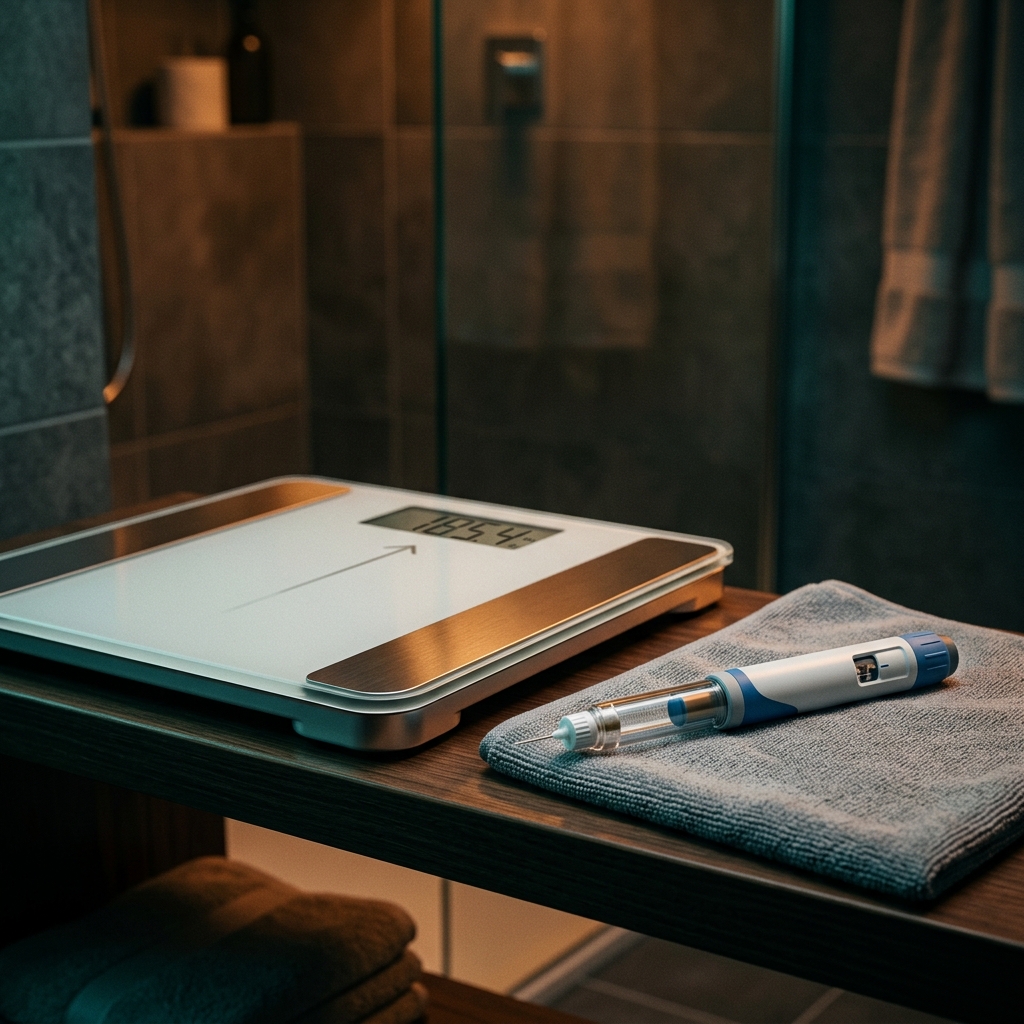
If you had gastric sleeve, gastric bypass, or another bariatric procedure and have started regaining weight — you are not a failure. Weight regain after bariatric surgery affects 20–30% of patients within 5 years. The surgery altered your anatomy, but the neurohormonal drivers of obesity — including reduced GLP-1 secretion, ghrelin dysregulation, and reward-pathway activation — can reassert themselves over time. GLP-1 medications address these exact mechanisms.
Why Weight Regain Happens Post-Surgery
- Hormonal adaptation: Initial post-surgical appetite suppression fades as the body's hunger hormones (ghrelin, leptin) recalibrate over 2–5 years
- Pouch/sleeve stretching: The reduced stomach capacity gradually expands, allowing larger meal volumes
- Return of emotional eating: Surgery does not address the neurological reward pathways driving compulsive eating
- Metabolic setpoint defense: The body actively fights weight loss through reduced metabolic rate and increased hunger signaling
The Evidence for GLP-1 Post-Bariatric
Multiple studies have demonstrated significant benefit:
- A 2023 JAMA Surgery retrospective found that post-bariatric patients on semaglutide 2.4 mg lost an additional 8–12% body weight over 6–12 months
- The BARIGLP study showed improved glycemic control and additional weight loss in post-RYGB patients on GLP-1 therapy
- GLP-1 agonists have been shown to address the specific hormonal deficit that develops after bariatric surgery — reduced incretin effect
Safety Considerations
GLP-1 therapy after bariatric surgery requires clinician awareness of:
- Altered absorption: Post-bypass patients may have different oral medication absorption, but injectable GLP-1 bypasses the GI tract entirely
- Nausea management: Post-surgical patients may be more susceptible to GI side effects. Slower titration is often recommended
- Nutritional monitoring: Bariatric patients already have restricted nutrient absorption. GLP-1's additional appetite suppression requires careful monitoring of protein, vitamins, and minerals
- Gallbladder risk: Already elevated post-bariatric, further increased with GLP-1 rapid weight loss. See our gallbladder risk guide
Regain Is Not Failure. It's Biology.
Your surgery changed your anatomy. GLP-1 addresses the hormonal forces your surgery cannot. TelehealthFX clinicians understand post-bariatric physiology.
Get EvaluatedFrequently Asked Questions
How soon after bariatric surgery can I start GLP-1?
Most clinicians recommend waiting until weight loss from surgery stabilizes (typically 12–18 months post-op). GLP-1 is then introduced if regain begins or weight loss stalls prematurely.
Does insurance cover GLP-1 after bariatric surgery?
Coverage varies. Many insurers that covered your bariatric procedure will not cover GLP-1 for weight regain. Compounded semaglutide through telehealth provides an affordable alternative at $199–$399/month, HSA/FSA eligible.
Is revision surgery or GLP-1 better for weight regain?
GLP-1 therapy is less invasive, lower risk, and reversible. Revision surgery carries significant surgical risks and is typically reserved for cases where medication and behavioral interventions are insufficient. Most bariatric surgeons now recommend trying GLP-1 therapy before considering revision.
A Second Chance at Your Goal Weight
GLP-1 therapy addresses what surgery cannot. Hormonal support for lasting results.
Get StartedReferences
- Murvelashvili, N., et al. (2023). GLP-1 RA for weight regain after bariatric surgery. JAMA Surgery, 158(4), 434–440. doi:10.1001/jamasurg.2022.6589
- Pajecki, D., et al. (2022). Semaglutide for weight regain following RYGB. Obesity Surgery, 32(7), 2360–2366.